Do You Need a Website For Affiliate Marketing?
Table of Contents
Do you need a website for affiliate marketing? Not always. Many beginners assume they need a full website before they can start, but that is not necessarily true. Many beginners get stuck before they even begin because they assume affiliate marketing starts with a website, a logo, a brand name, and a long list of technical jobs. That belief slows people down and makes the whole thing feel more complicated than it needs to be.
The honest answer is simple. No, you do not always need a website to start affiliate marketing. In some cases, you can begin with a social media account, a YouTube channel, or another approved platform. But that does not mean a website is pointless. It means a website is one option, not the entry fee.
Quick Answer
A website is not always required to start affiliate marketing, but it usually becomes useful if you want more control, better organisation, and a stronger long-term foundation. For some beginners, starting without a website is fine. For others, a simple website saves confusion later.
Do You Need a Website for Affiliate Marketing at the Start?
A lot of affiliate marketing advice for beginners online is built around the classic blog model. That model is still valid. You create helpful content, bring in readers, and recommend products or services where relevant. Because that approach is so common, many people assume it is the only serious path.
It is not.
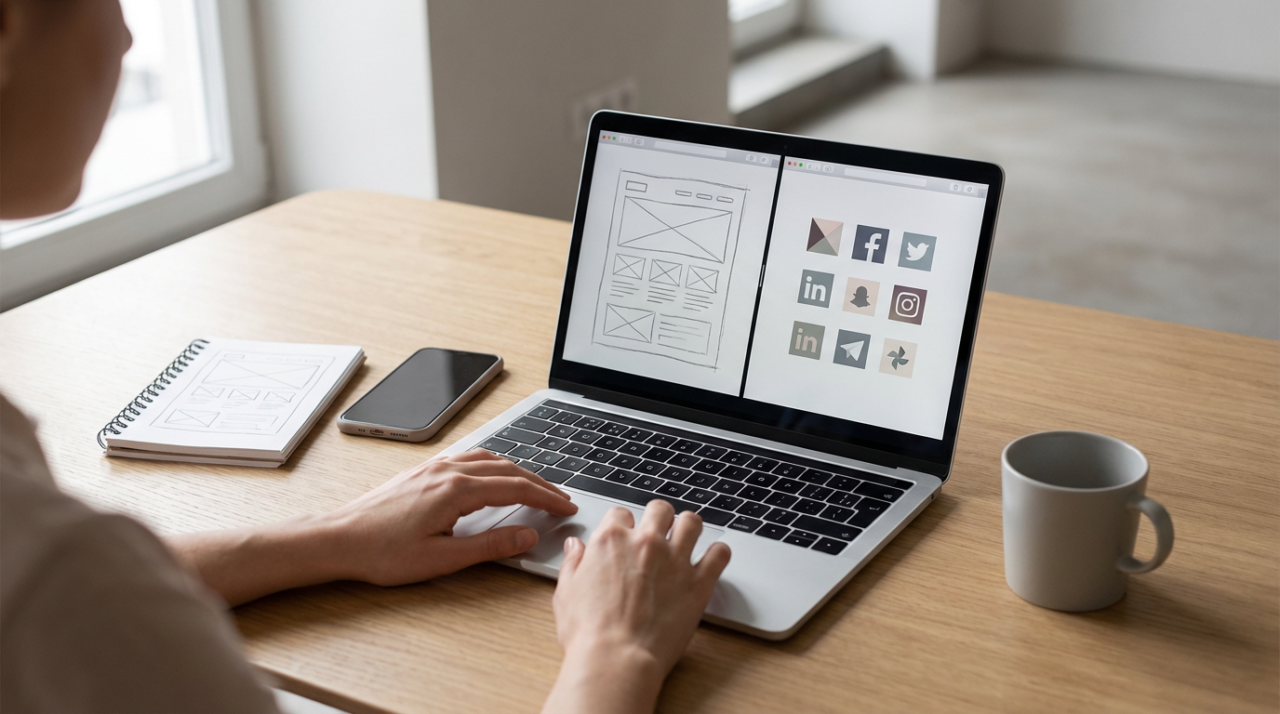
Some affiliate programmes accept social channels as part of the application process. That means a beginner can, in some cases, begin with content on a platform they already use. This is one reason affiliate marketing still appeals to beginners. You do not always need advanced technical skills or a large setup on day one.
If that part worries you, this guide on whether it is really possible to earn online without technical skills explains it in plain English.
When starting without a website can make sense
If your main goal is to learn how affiliate links, offers, audience trust, and content creation actually work, then starting with one simple platform can be sensible. It keeps the moving parts down. It also lets you focus on whether you can explain something clearly and recommend it honestly.
This can work especially well if you already enjoy writing short posts, recording short videos, or sending people to useful resources in a focused niche. At that stage, your biggest challenge is usually not web design. It is learning how to communicate clearly without sounding pushy.
There is nothing wrong with starting small. In fact, for cautious beginners, that is often the better move. If you are still getting your bearings, the Start Here guide is the best place to begin.
When a website becomes the smarter choice
A website starts to matter more when you want control.
Social platforms can be useful, but they are rented space. The platform controls what gets shown, what disappears, and what rules change. Your own website gives you a home base. You decide how your content is organised. You can build clear pages, write articles that stay easy to find, and link related posts together in a way that makes sense.
A website also helps when your content begins to expand. One post on social media disappears quickly. A well-structured article can keep helping readers months later if it answers a real question properly.
This is where a lot of beginners miss the point. The value of a website is not that it makes you look “professional.” The value is that it gives your content structure, permanence, and context.
A simple website is enough
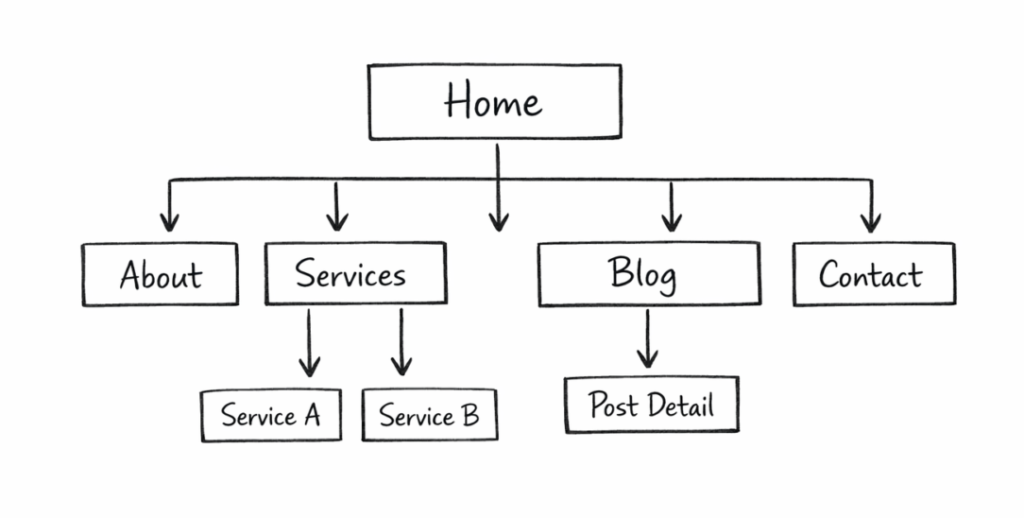
For a beginner, a simple site is enough. A homepage, an about page, a contact page, and a small number of useful articles can do the job. You need clarity, a few useful pages, and content that answers real beginner questions.
If somebody lands on your site, can they quickly understand who it is for, what problem it helps with, and where to go next? That matters far more than making it look clever.
The danger of using “I need a website first” as an excuse
Sometimes “I need a website first” is not a strategy. It is procrastination dressed up as preparation.
A beginner spends weeks thinking about themes, colours, domain names, and layout tweaks, but never actually publishes anything useful. That is not progress. That is avoidance.
A website should support the work. It should not replace the work.
Conclusion
So, do you need a website for affiliate marketing?
No, not always. But for many beginners, a simple website becomes useful as they want more control and better structure.
But if you want a solid base you control, a better structure for your content, and something you can build on over time, a simple website is often worth it. The real mistake is not starting with or without a website. The real mistake is waiting for the “perfect” setup before doing any real work.
If you can explain something clearly, help the right people, and recommend things honestly, you can start. The website can come before that, after that, or alongside it. It just needs to serve the work, not become a distraction from it.
FAQ
Do you need a website for affiliate marketing?
No, not always. Some affiliate programmes allow approved social channels or other platforms, although a website can become more useful over time.
Can you do affiliate marketing without your own website?
Yes, in some cases you can. Some affiliate programmes allow approved social channels or other platforms instead of a website. Even so, a website can still be useful later because it gives you more control over your content and helps you build a stronger long-term foundation.
Is a website better than social media for affiliate marketing?
Not always at the start, but often better in the long run. Social media can help you begin quickly, while a website gives you a place you control, where your content can stay organised and easier to find over time.
About the Author

Richard Chambers writes Simple Income Guide to help beginners understand online income in a clear, realistic, and pressure-free way. The focus is on simple explanations, honest expectations, and practical guidance for people who want to make sense of online business models without hype.
Read more on the About page.